

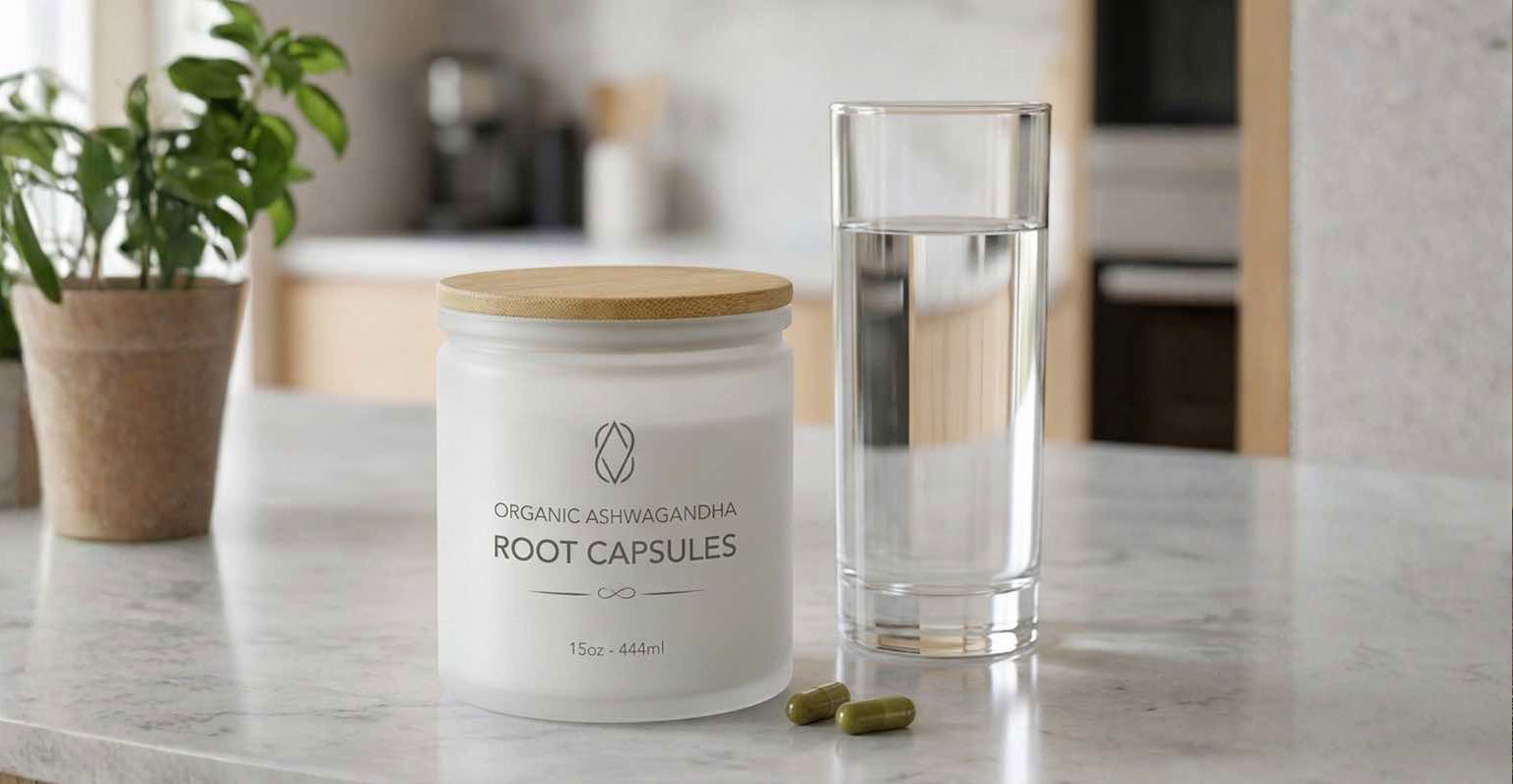
The nutraceutical and supplement industry continues to grow rapidly, driven by increasing consumer demand for preventive health, botanical formulations, and functional ingredients. For manufacturers, packaging plays a critical role in preserving product integrity, ensuring regulatory compliance, and reinforcing brand positioning.
Nutraceutical and supplement packaging is not simply about containment. It must protect active ingredients from light, oxygen, and moisture while supporting operational efficiency and scalability.
This guide explores the core considerations manufacturers should evaluate when selecting nutraceutical packaging, including material selection, format options, ingredient protection, and sustainability.
What Is Nutraceutical Packaging?
Nutraceutical packaging refers to packaging solutions designed for:
- Dietary supplements
- Vitamins and minerals
- Herbal extracts
- Liquid supplements
- Functional powders
- Oil-based formulations
Unlike general consumer packaging, nutraceutical packaging must account for:
- Sensitivity to UV exposure
- Oxygen transmission
- Moisture control
- Labeling compliance
- Closure compatibility
- Shelf-life preservation
For supplement manufacturers, packaging decisions directly impact product performance and consumer trust.
Common Packaging Formats for Nutraceutical Products
Bottles for Liquid Supplements
Liquid supplement packaging requires careful material selection and closure compatibility.
Common applications include:
- Herbal tinctures
- Vitamin drops
- Adaptogenic extracts
- Botanical tonics
- Oil-based supplements
Manufacturers often select smaller-format glass bottles — including 1 oz and other dropper-compatible sizes — when packaging concentrated liquid supplements. Narrower thread finishes support dropper assemblies for controlled dosing and accurate application.
Larger formats, such as 5 oz or 8.5 oz bottles with 28/410 thread finishes, are commonly used for multi-serving liquid supplements and tonics requiring pump or disc cap compatibility.
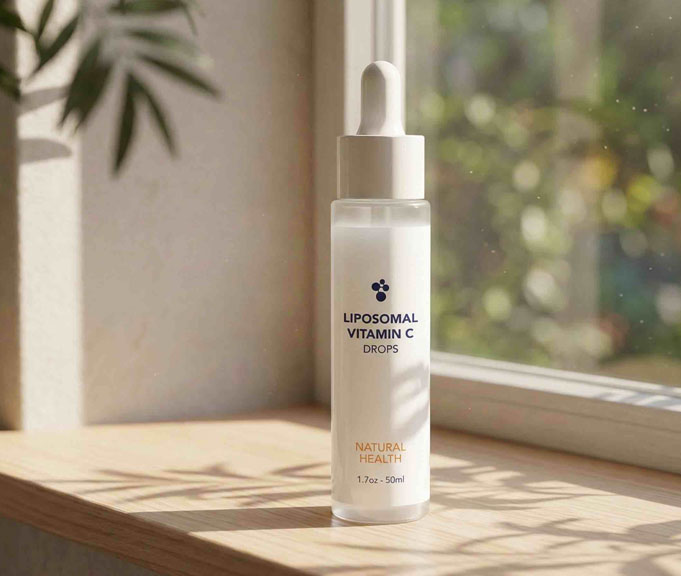
Featured: 1.7 oz Cylindra Glossy White Glass Bottle with Dropper (DR5424000G93-WW)
Wide-Mouth Jars for Powdered Supplements
For powdered nutraceutical products such as:
- Collagen blends
- Greens powders
- Functional drink mixes
- Protein supplements
- Botanical powders
Wide-mouth glass jars are often the preferred packaging format due to ease of filling and consumer access.
For example, glass jars with an 89/400 thread finish like the 13 oz Calypso Wide Mouth Glass Jar provide a large opening diameter that accommodates scoop access while supporting efficient production filling lines. The wide-mouth profile also allows for strong label presence and clear dosage instructions — both critical in supplement packaging.
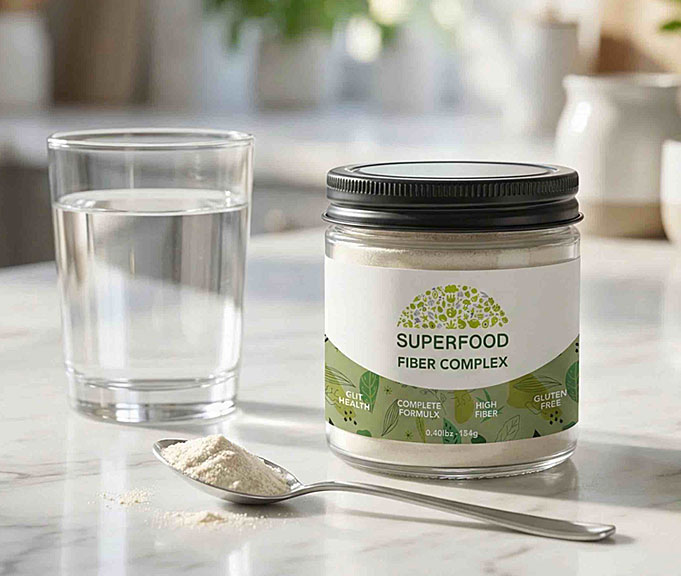
Featured: 6 oz Calypso Glass Jar 70/450 Thread (5188) with Matte Black Metal Screw Cap (SC070M49) and added liner
Jars for Capsules, Tablets & Gummy Supplements
Capsule, tablet, and gummy supplements require packaging that supports moisture control, structural durability, and clear labeling.
Common applications include:
- Multivitamin capsules
- Herbal capsules
- Tablet supplements
- Gummy vitamins
- Functional chewables
Glass jars are often selected when manufacturers prioritize product protection and premium shelf presentation. Mid-sized formats such as 8 oz apothecary threaded jar provide sufficient internal volume for capsule or gummy counts while maintaining a compact footprint.
Smaller formats, such as 3.4 oz glass jars with 43mm thread finishes, may be used for specialty vitamin lines or lower-count supplements. For higher-volume products, wide-mouth screw cap jars allow for easier access and scalable fill capacity.
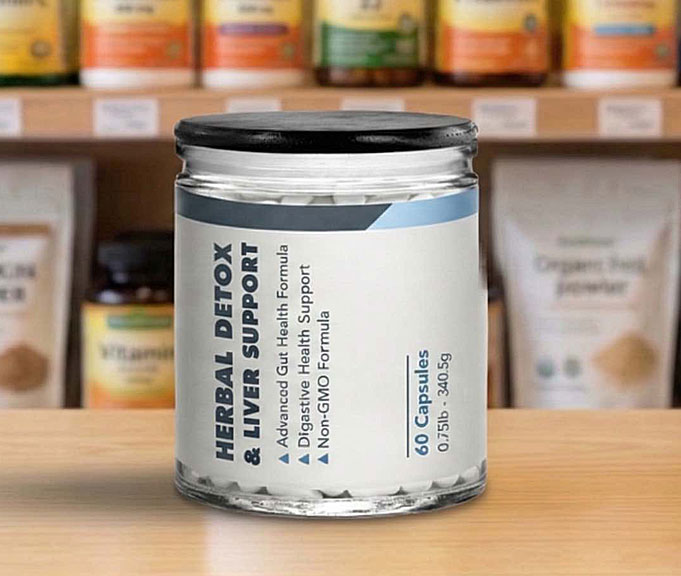
Featured: 9 oz Calypso Glass Jar (6185) with black bamboo lid
Glass vs Plastic in Nutraceutical & Supplement Packaging
Material selection remains one of the most important decisions in nutraceutical packaging.
Plastic Packaging
Advantages:
- Lightweight
- Cost-effective
- Commonly used for capsule and tablet packaging
Considerations:
- Oxygen permeability
- Long-term environmental perception
- Material interaction concerns depending on formulation
Glass Packaging
Glass supplement packaging offers:
- Excellent barrier properties
- Chemical inertness
- Strong UV protection (especially with amber or dark-coated glass)
- Premium brand positioning
- Full recyclability
For liquid nutraceutical products, glass bottles are often selected when ingredient stability and purity perception are priorities.
Dark glass and dark-painted glass bottles are particularly effective for formulations sensitive to light.
Glass is frequently used in nutraceutical packaging where formulation protection and elevated brand presentation are aligned.
Protecting Active Ingredients: UV, Oxygen & Moisture
Many nutraceutical products are highly sensitive to environmental exposure.
Manufacturers should evaluate:
- UV exposure risk
- Oxygen transmission rates
- Headspace management
- Closure compatibility
- Seal integrity
For example, light-sensitive herbal extracts may benefit from amber glass packaging, which helps filter UV light while preserving formulation stability.
Liquid supplement packaging must also ensure that thread finishes (such as 28/410) are compatible with dispensing closures to reduce leakage and oxidation risk.
Sustainable Nutraceutical Packaging
Sustainability has become a defining factor in the supplement and nutraceutical industry.
Brands increasingly prioritize:
- Recyclable materials
- Recycled content
- Long-term environmental impact
- Reduced plastic usage
Glass packaging aligns well with sustainability initiatives due to its recyclability and durability.
For manufacturers seeking environmentally responsible nutraceutical packaging, glass provides both functional and branding advantages.
Customization & Scalability Considerations
As supplement brands grow, packaging requirements evolve.
Manufacturers should evaluate:
- Available size options (1 oz, 5 oz, 8.5 oz, 16 oz, etc.)
- Color variations (clear, frosted, amber, specialty finishes)
- Label panel dimensions
- Inventory consistency
- Production scalability
Selecting nutraceutical packaging that supports both initial product launches and future expansion reduces operational friction.
Glass bottle and jar formats with standardized thread finishes (such as 28/410 and 43/400) provide flexibility across multiple closure types and dispensing systems.
Compliance & Safety Considerations
Nutraceutical packaging must support regulatory clarity.
Manufacturers may need to consider:
- FDA labeling requirements [link]
- Tamper-evident systems
- Child-resistant closures (depending on formulation and distribution channel)
- Accurate fill volume specifications
Packaging suppliers should be evaluated based on compatibility, consistency, and structural integrity to ensure compliance requirements can be met.
Choosing a Nutraceutical Packaging Partner
For nutraceutical and supplement manufacturers, selecting the right packaging partner extends beyond material selection.
Key evaluation criteria include:
- Industry familiarity
- Material expertise
- Inventory reliability
- Customization capabilities
- Transparent communication
Packaging should enhance operational efficiency and reinforce product quality — not introduce complexity. For manufacturers evaluating reliable glass packaging options, explore Glassnow’s solutions designed to support both performance and scale.
Frequently Asked Questions About Nutraceutical Packaging
What is the difference between nutraceutical packaging and supplement packaging?
Nutraceutical packaging typically refers to packaging used for health-focused formulations such as herbal extracts, vitamins, and functional blends. Supplement packaging is often used interchangeably but may encompass a broader range of dietary products.
Is glass suitable for liquid supplements?
Yes. Glass bottles are chemically inert and provide strong barrier protection, making them suitable for many liquid nutraceutical products.
What thread finish is common for liquid supplement bottles?
28/410 thread finishes are commonly used for liquid supplement bottles due to compatibility with droppers, pumps, and other dispensing closures.
How do manufacturers choose nutraceutical packaging?
Manufacturers evaluate ingredient sensitivity, regulatory requirements, brand positioning, scalability, and sustainability when selecting nutraceutical packaging.
